About Me

Context for this Taijiquan–fascia research journal and its Morgantown roots.
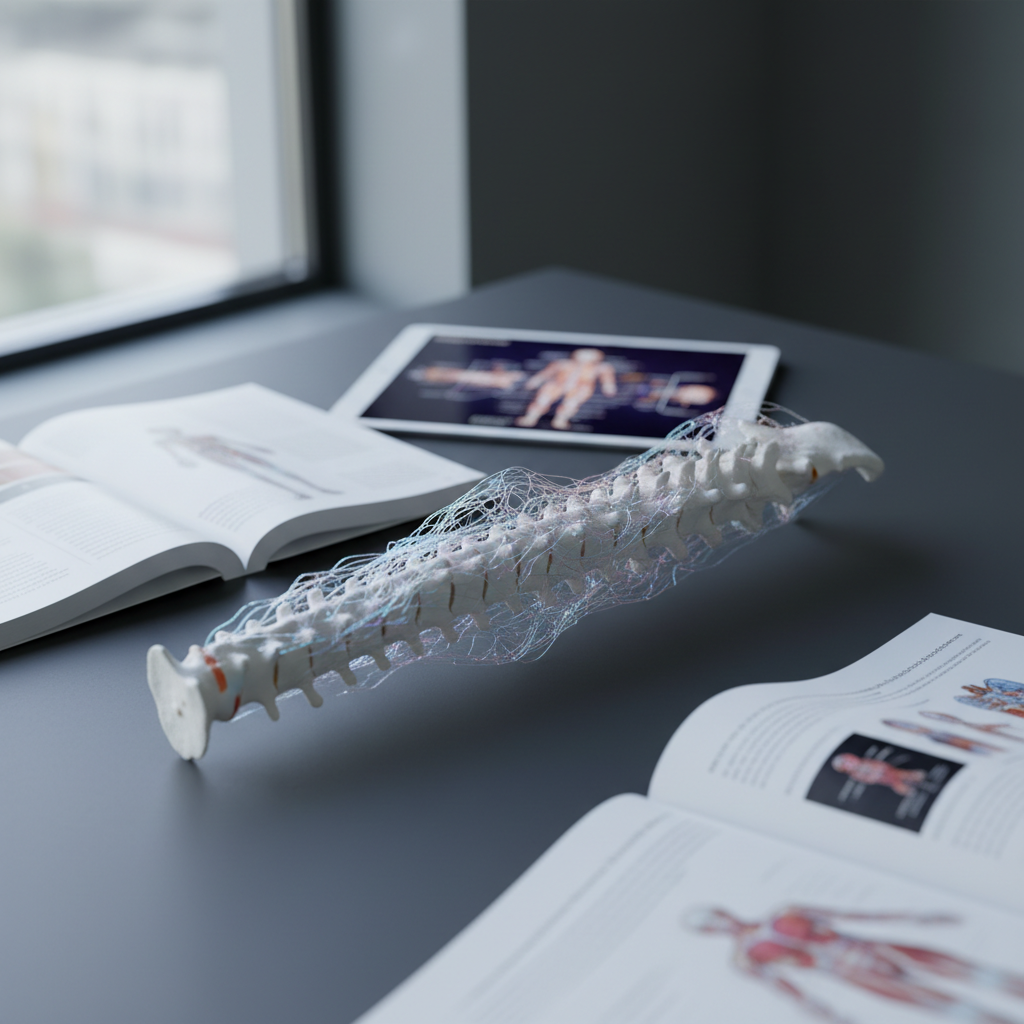
A pristine white anatomical spine model lying horizontally on a smooth charcoal-grey surface, with an intricate semi-transparent fascia web delicately draped along the vertebrae, shimmering in soft pearly tones. Around it, open scientific papers and a digital tablet showing fascia diagrams are artfully arranged but slightly out of focus. Cool, diffused daylight from a nearby window illuminates the scene, creating gentle, directional highlights on the spine and fascia while leaving the background in soft shadow. Photographed from a slightly elevated angle using the rule of thirds, with a shallow depth of field that keeps the spine and fascia crisply detailed. The mood is analytical yet serene, presenting fascia research in a clean, professional, photographic style.
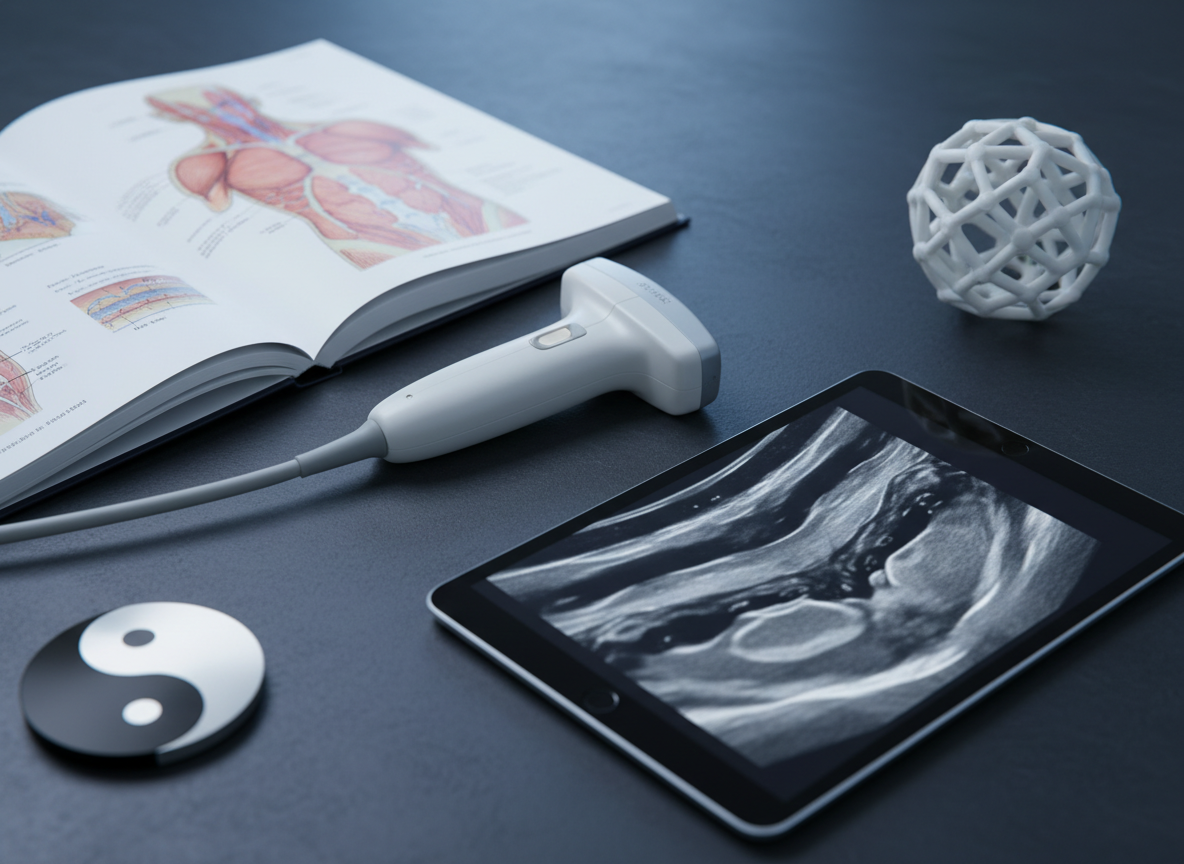
A dark slate tabletop with a neatly arranged collection of fascia research tools: a high-resolution ultrasound probe resting beside a tablet showing a grayscale scan of fascial layers, a hardcover anatomy atlas opened to a fascia cross-section, and a small 3D-printed fascia network model in matte white plastic. A subtle tai chi element appears as a brushed metal yin-yang symbol in one corner, partly out of focus. Soft, cool studio lighting from above and slightly to the left casts controlled shadows and delicate highlights on the tablet screen and model surfaces. Shot from an eye-level, slightly diagonal angle with moderate depth of field, the composition feels ordered and professional. The atmosphere is focused and research-driven while maintaining a calm, minimalist photographic aesthetic.

Why Taijiquan and Fascia Matter

I write from Morgantown, West Virginia, where years of Tàijíquán practice meet a fascination with fascia science. This blog explores how classical principles, modern biomechanics, and lived experience intertwine to deepen practice, teaching, and research.